Bowling Green’s Heart: Canteens Across the Wars
Bowling Green, Kentucky, a city with a rich history, played a significant role in supporting the troops during both World War I and World War II through the establishment of canteens. These community-driven initiatives, led by passionate individuals, became symbols of the city’s unwavering commitment to serving those who served the nation.
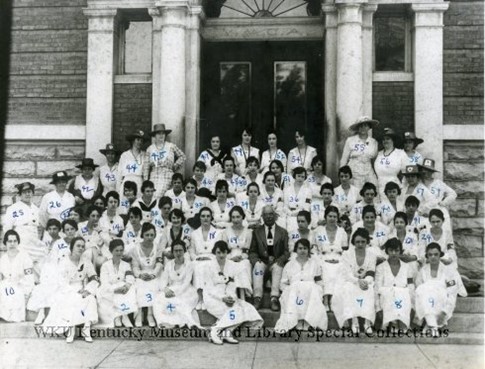
Canteens were not a novel concept during World War II; they had made their mark during World War I as well. In 1918, the YMCA building in Bowling Green became a hub for canteen activities, as captured in a photograph featuring the Canteen Girls of WWI. These dedicated individuals stood on the steps of the YMCA, embodying the spirit of community service that would become synonymous with Bowling Green in the years to come.
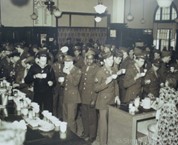
Fast forward to World War II, and Bowling Green continued its tradition of supporting the troops. A photograph showcases the “Service Men’s Canteen” in Bowling Green, with Nelle Gooch Travelsted, a prominent figure, at the forefront. Organized and run by Nelle Gooch Travelsted, the canteen served thousands of servicemen stationed at Fort Campbell or Fort Knox, as well as those passing through the city. Chester Travelsted, Nelle’s son, highlighted the canteen’s impact, noting its location on the Main Street side of the downtown square and its additional free, overnight facility on College Street.
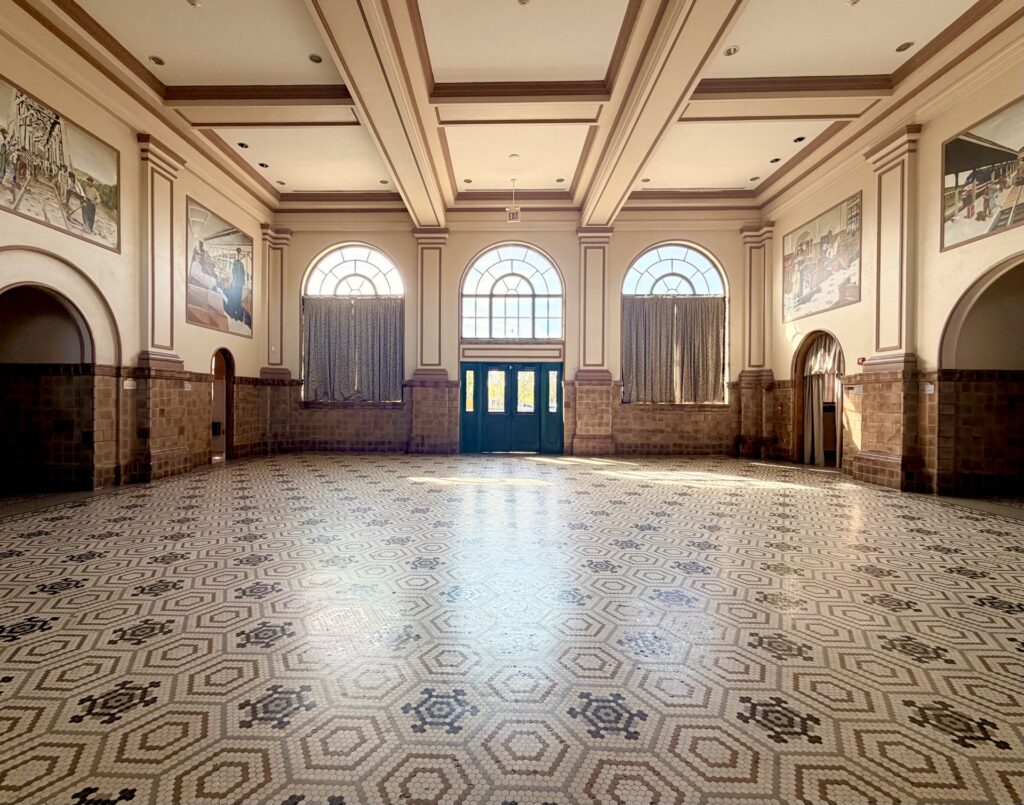
The L&N Depot canteen, an essential hub for troops traveling through the city, played a crucial role in providing comfort, sustenance, and a sense of home to those in transit.
Bowling Green’s commitment to supporting the troops through canteens during both World War I and World War II exemplifies the city’s deep-rooted sense of community and patriotism. The images of Canteen Girls from 1918 and the Service Men’s Canteen during World War II tell a tale of selfless service, compassion, and resilience. As we reflect on these historical snapshots, let us celebrate the spirit of Bowling Green, a city that opened its heart to those who served, leaving an enduring legacy of kindness and support.
To learn more about canteens and their impact see the Historic RailPark & Train Museum canteen exhibit.