
How Trains Shaped American Holidays
For generations of American families, the holiday season did not begin with a packed car on the interstate or a boarding call at the airport gate. It began at a train station. Before highways spread across the map and commercial flights became accessible, railroads made the holidays possible. They carried soldiers home on leave, brought college students back to their families, and reunited distant relatives who could only afford to travel once a year.
From the 1920s through the 1950s, December was one of the busiest periods on the calendar for rail lines across the country. Weeks before Christmas, stations would overflow with passengers bundled in heavy coats and gloves, hands wrapped around newspapers, ticket stubs, and gifts tied with ribbon. Porters lifted trunks, redcaps guided children holding dolls and toy trains, and the air inside the depot buzzed with the shared excitement of going home.
The Louisville and Nashville line brought that same energy through Bowling Green. The Depot witnessed countless holiday reunions across its platform, some filled with laughter, others with relief, and all with a sense that the journey mattered as much as the destination. In those years, railcars were not just transportation. They were moving living rooms where strangers traded stories, shared fruitcake wrapped in wax paper, and sang quietly to infants trying to sleep beneath the hum of the rails.
Seasonal travel by train shaped how America experienced the holidays. The cards exchanged during that era, the ones with snowy depots and steam curling across the night sky, were not illustrations of fantasy. They were snapshots of something familiar. If you lived in a town like Bowling Green, hearing a midnight whistle or seeing lantern light cut through winter fog was part of the season’s rhythm. Families did not imagine trains on Christmas Eve. They expected them.
That history is a large part of why stories like The Polar Express resonate so deeply. Even though the book was published decades after the golden age of passenger rail, the imagery feels real. A child hearing the echo of a mysterious train on Christmas Eve is believable because it once happened, night after night, year after year. Trains were the sound of homecoming.
Today, America travels differently. Airports replace depots, and families track arrivals by app instead of steam and signal lamps. But the memory of holiday rail travel lingers in our collective imagination. It is in the way a whistle on a quiet night can still stir something familiar, even if the train is not stopping here. It is in the nostalgic thrill of stepping aboard a vintage passenger car decorated with greenery and white lights. And it is in the stories we tell, some fictional, some remembered, about the gifts a single journey can bring.
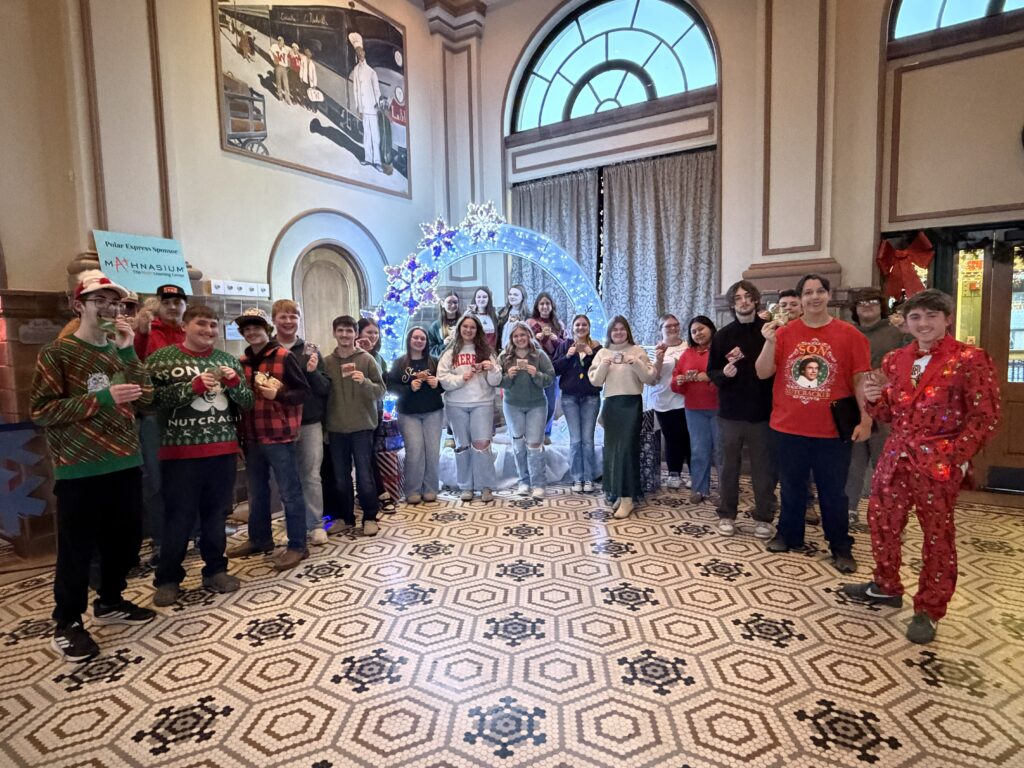
Inside the historic railcars at the L and N Depot in Bowling Green, the holiday season now looks different than it did in 1931 or 1947. Instead of hurried travelers with suitcases and tickets, you will find children in pajamas and families gathering to read a book written long after passenger service stopped here. Yet the spirit of the experience remains unmistakable. In its own way, Polar Express Storytime continues a century-old tradition, people coming together to experience a story of travel, imagination, and belief inside a railcar surrounded by the echoes of history.
When our railcars fill with the sound of pages turning and children laughing, it reminds us that trains once carried more than passengers. They carried hopes, homesickness, and the promise that the holidays would bring people back together. The legacy of seasonal rail travel is woven into that simple idea. The journey matters. It shapes us, moves us, and becomes part of how we remember what it means to be home for the holidays.
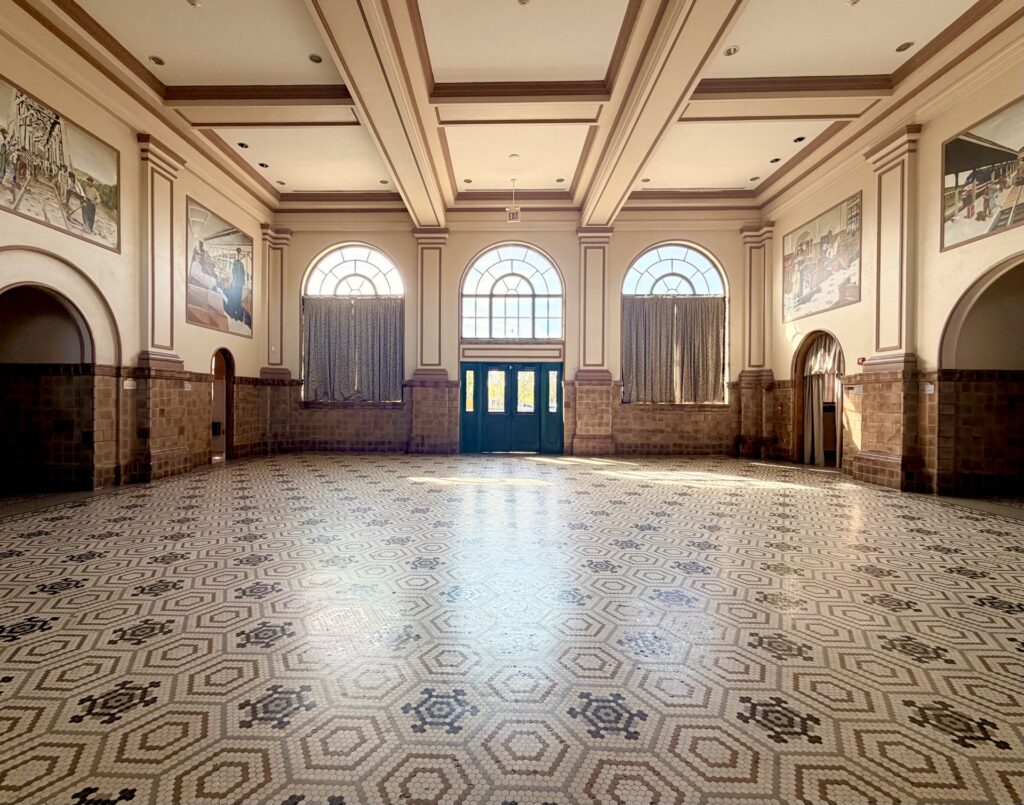
As the Depot celebrates its 100th year, we honor not only the building that connected Bowling Green to the world, but also the season that made these walls so meaningful. Trains shaped America’s holidays. And even now, in a world that moves differently, the magic of that journey still finds its way back to us each December.