
A New Era of Streamlined Speed
On September 10, 1940, just 85 years ago, the Louisville and Nashville Railroad introduced something that seemed almost futuristic to passengers stepping onto the platform: the first streamlined passenger train ever to travel its lines. The sleek profile, smooth curves, and polished metal nose represented more than a new look for American railroading. It marked the beginning of a modern era defined by speed, efficiency, and a sense of style that captured the nation’s imagination.
To understand the significance of that moment, it helps to picture the change through the eyes of someone watching from the platform. For decades, passenger trains had been powerful yet traditional in their appearance, with tall boilers, exposed rivets, and the unmistakable bulk of steam power. The new streamlined design was the opposite. It appeared lighter, more aerodynamic, and distinctly modern. Its profile was shaped by the wind, its lines pulled forward with purpose. Even standing still, it looked like movement.
Streamlining was not just about appearance. Railroads across the United States were seeking ways to attract passengers in a competitive age. Automobiles were beginning to reshape personal travel, new highways were being planned, and airlines were capturing headlines with daring long-distance flights. The streamlined train signaled that rail travel was still the fastest, most comfortable way to cover great distances. For the L and N, investing in new technology was a statement of confidence about the future.
The timing was remarkable. The world was changing quickly in 1940. Europe was at war, and the United States was preparing for the possibility of entering a global conflict. Yet on that September day, the launch of a streamlined train felt like a promise. It spoke of progress and innovation at a time when uncertainty filled the newspapers. The shape of the train, tapering like a bullet through the air, suggested that speed and engineering could overcome distance and challenge.
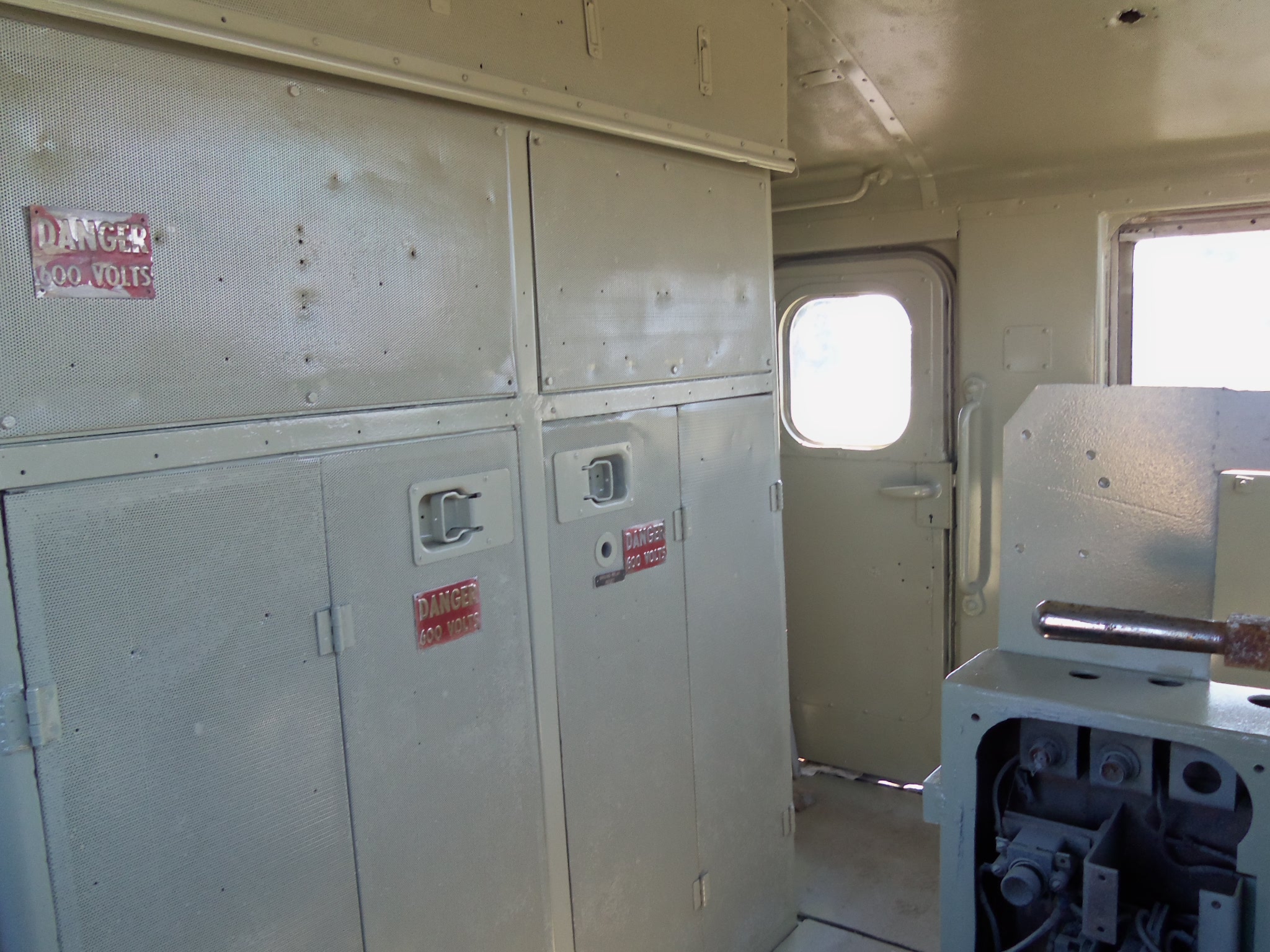
Only a few years later, the momentum of the streamlined era would lead to the rise of diesel power and the iconic locomotive designs still admired today. Among the most recognizable is the E-8 locomotive, a symbol of mid-century engineering that would eventually become part of the RailPark collection. Standing beside the E-8 today, it is easy to see the spirit of 1940 in its profile. The pointed nose, smooth steel sides, and long horizontal lines are descendants of that first streamlined experiment.
While the E-8 on our property arrived years after that debut, it carries the legacy forward. It represents a period when railroads redefined themselves to meet the needs of a changing nation. It shows how design and engineering blended into a vision of transportation that valued both function and beauty. And for Bowling Green, it preserves a chapter of history that once connected this region to the pulse of national progress.
Visitors often ask what makes the E-8 locomotive special. The answer lies partially in its performance history, but also in what it represents. It is not simply a machine. It is part of a turning point in American transportation. When the first streamlined train entered service on September 10, 1940, it began a movement that shaped the look and feel of passenger travel for decades. The E-8 continued that movement by turning the streamlined ideal into a standard.
Today, as the Depot celebrates its centennial year, the locomotive outside our doors is more than a display. It is a reminder of an age when railroads reinvented themselves with conviction and creativity. It helps us tell the story of how the L and N Railway embraced new technologies, responded to the world around it, and set the stage for the very designs that inspire admiration today.
Standing beside the E-8 is a way of standing beside history, where the smooth lines of steel carry memories of the moment the first streamlined train rolled onto the tracks in 1940. Eighty-five years later, it still invites us to imagine the promise of modern travel and the excitement of seeing the future arrive on rails.