Nourishing the Spirit Community Canteens during WW II
As World War II swept across the globe, it wasn’t just soldiers on the front lines who needed support. The troops traveling by train to and from the ports of embarkation also required sustenance and comfort during their arduous journeys. In response to this need, approximately 125 cities established community canteens that played a crucial role in supporting and uplifting the spirits of the brave men and women in uniform.
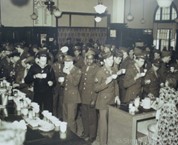
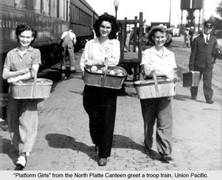
Community canteens were spontaneous initiatives driven by local volunteer groups. These dedicated individuals gathered on station platforms with baskets filled with food and beverages to provide comfort to troops passing through. The essence of these canteens lay in the grassroots efforts of communities, offering a warm and welcoming respite to soldiers on the move.
Among the numerous community canteens across the country, the L&N Railroad established three noteworthy locations: Mobile, Alabama; Evansville, Indiana; and Bowling Green, Kentucky. These canteens became symbols of local support and patriotism, embodying the spirit of community solidarity during times of war.
The Red Cross, a beacon of humanitarian aid, also played a significant role in supporting troops through canteens. Red Cross chapters across the nation established their canteens, contributing to the widespread network of support for the soldiers. These canteens became vital hubs where volunteers offered snacks, beverages, and words of encouragement to those in transit.
The United Service Organization, widely known as the USO, is committed to creating lounges in larger stations and a few trackside canteens. The USO, established in 1941, became synonymous with providing recreational and morale-boosting services to the military. Across the nation, 64 USO lounges were set up, each serving as a haven for soldiers during their travels. Louisville, Kentucky, boasted one of the USO lounges, contributing to the collective effort of creating spaces where troops could find respite, camaraderie, and a sense of normalcy amid the chaos of war.
The legacy of community canteens during WWII extends beyond their tangible impact on soldiers’ well-being. These initiatives represented the power of community, compassion, and the collective will to support those who served the nation. Letters of appreciation and memories from that era underscore the profound impact that these canteens had on the troops, nourishing not only their bodies but also their spirits.
Community canteens during World War II stand as shining examples of the strength of community bonds and the tireless efforts of volunteers who sought to uplift the spirits of the troops. These canteens, whether established by local communities, the Red Cross, or the USO, became vital hubs of support, offering more than just food and beverages—they provided a connection to home, a moment of respite, and a source of inspiration for the brave men and women in uniform. Let us salute the unsung heroes behind community canteens, whose acts of kindness resonated across the nation and left an enduring legacy of support for those who served our country.
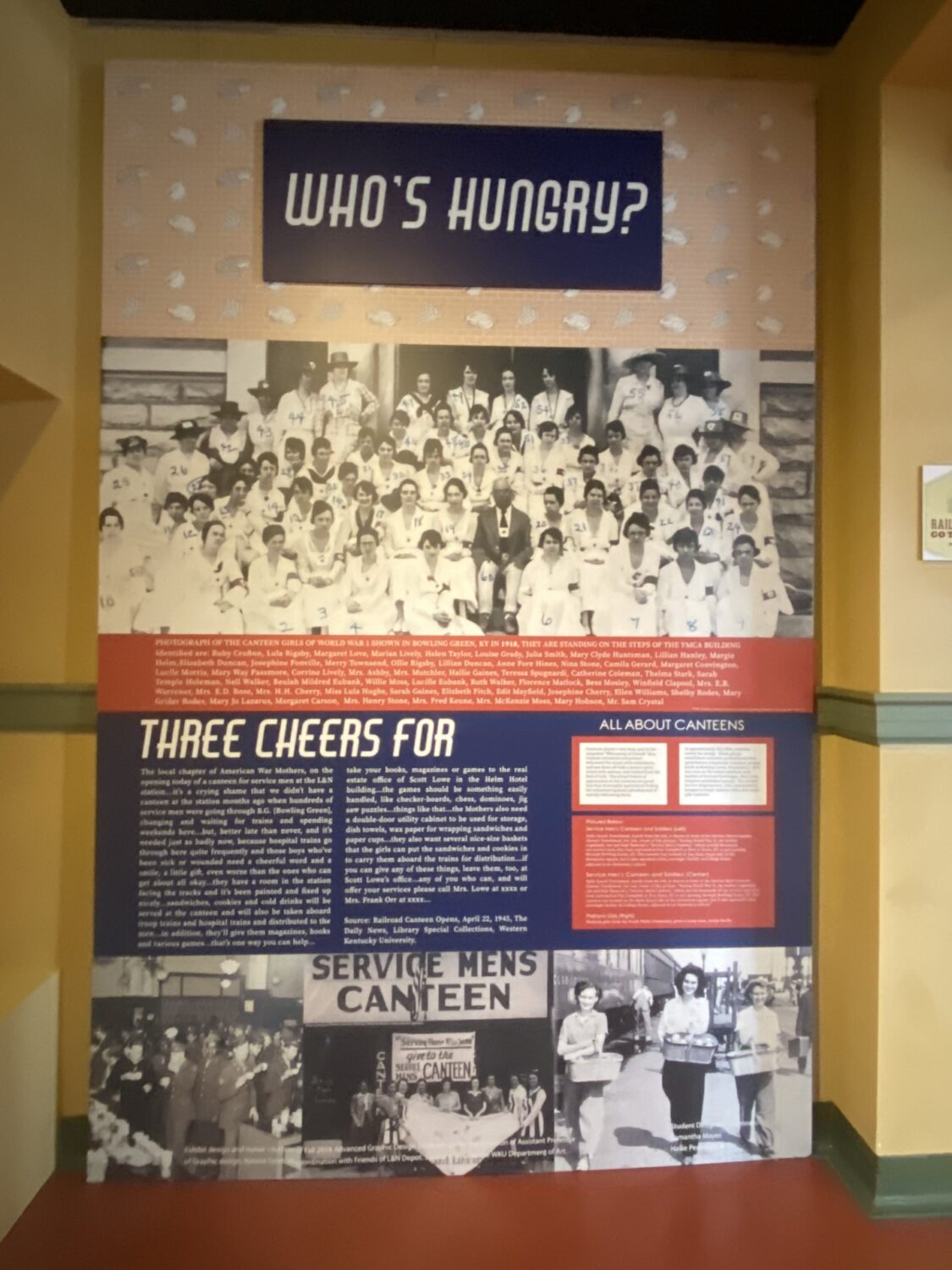
To learn more about canteens and their impact see the Historic RailPark & Train Museum canteen exhibit.