
September 1925: The L&N Depot’s First Fall Season
As we step into the fall season and continue celebrating the 100th anniversary of the L&N Depot, it’s worth pausing to imagine what this building looked and felt like during its very first autumn. In September of 1925, the Depot wasn’t a historic landmark. It was new. It was modern. It was built to serve a region that was quickly growing and a nation that was still learning how to move faster, farther, and with greater purpose by rail.
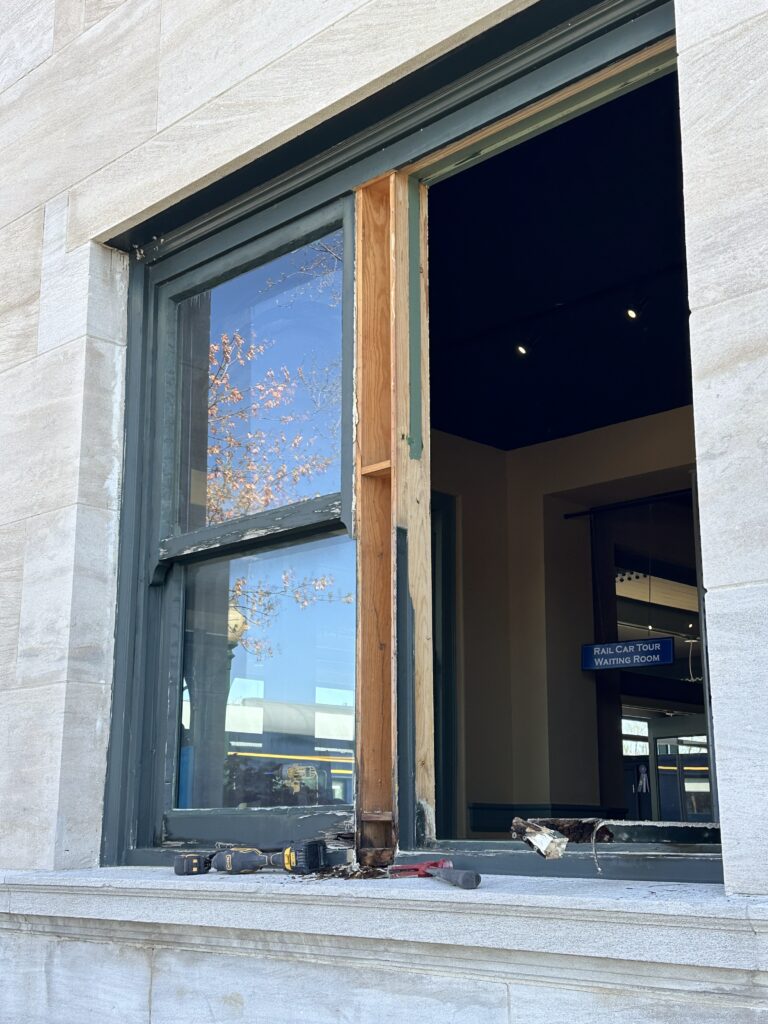
The building’s limestone walls were still sharp in their edges, the platform freshly poured, and the tracks polished by the steady rhythm of trains arriving and departing day and night. Rail workers took pride in being part of something new. Locals were still getting used to the sight of the Depot, its tall windows glowing in the early morning hours as passengers stepped off trains carrying suitcases, college trunks, and folded newspapers.
September was a busy month for travel in 1925. Students returned to universities with their luggage stacked near the platform. Agricultural shipments moved through the station as farmers pressed toward harvest season. Business travelers passed through on their way north or south along the Louisville & Nashville line, and families boarded trains for everything from weddings to medical appointments in bigger cities. The Depot operated like a heartbeat for Bowling Green, steadily connecting the town to the rest of the country.
In those early days, steam locomotives greeted the Depot with sound before sight. Whistles curled through the morning fog, and the tracks vibrated long before the engine rounded the bend. Inside, the lobby was a crossroads of stories. Soldiers home on leave, salesmen carrying samples, young women traveling for secretarial jobs, and grandparents visiting children a few stops away, all shared the same space, even if just for a moment.
Newspapers from September 1925 describe the era in headlines that now feel like snapshots: new rail schedules printed in tidy columns, advertisements for fares between Bowling Green and Nashville, and announcements of special excursions promising scenic views and good company. Rail travel wasn’t just transportation—it was a way of moving through the world. The Depot wasn’t just a building, it was a gateway.
Today, the L&N Depot is quiet in the early morning in a way it never was a century ago. The rhythm of the day no longer begins with the conductor’s call or the shuffle of passengers crossing the platform. Instead, the building stands as a reminder of what travel once meant to this community, and what the railroads made possible. When guests walk into the lobby today, they are stepping into a space that welcomed generations before them—people with hopes, burdens, plans, and the belief that a single train ticket could change the course of a life.
As we enter our 100th fall season in this historic Depot, we are mindful of how much has changed, and how much remains. The wooden ticket counter still stands where countless journeys began. The architecture, inspired by the optimism of the early twentieth century, still tells a story of a community investing in its future. And today, instead of boarding trains, visitors board a different kind of journey, one through history.
One hundred years ago this month, the L&N Depot was new, filled with anticipation and possibility. Today, it has become a place to preserve those stories, educate new generations, and honor the legacy of rail travel that shaped our region and our nation. As we look ahead to the celebrations of our centennial year, we invite you to experience the Depot not just as a museum, but as a living part of Bowling Green’s past and future.
It was a remarkable September in 1925. And it is a remarkable September in 2025.